
Optimizing Retail Operations: Transforming Your Supply Chain from Store to Shelf

Retail success depends on smooth operations that connect every step from the store to the supply chain. When retailers improve how they manage inventory, logistics, and customer demand, they reduce costs and increase satisfaction. This post explores practical ways to improve retail operations by focusing on the entire supply chain, ensuring products move efficiently from warehouses to store shelves.
Understanding the Retail Supply Chain
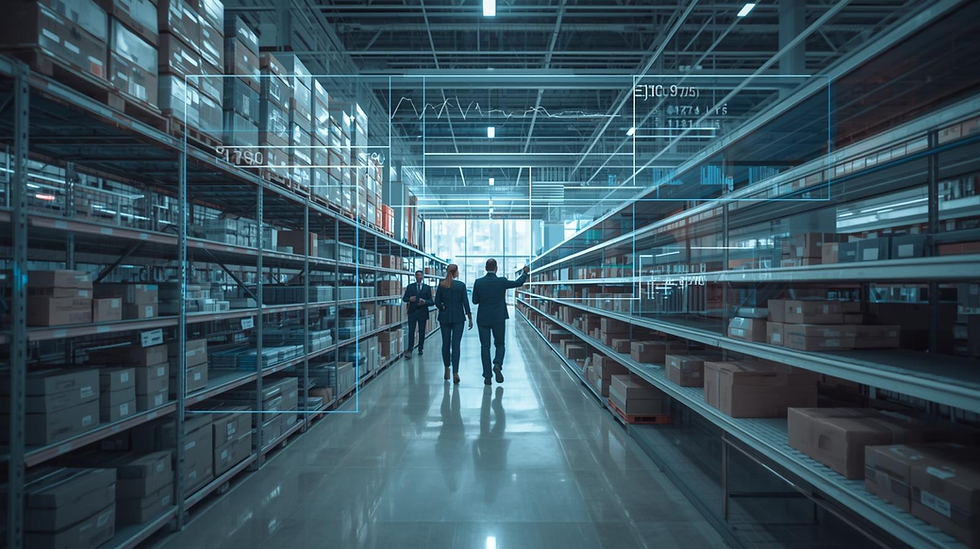
The retail supply chain includes all activities involved in getting products from manufacturers to customers. It covers sourcing, transportation, warehousing, inventory management, and in-store handling. Each stage affects the next, so delays or errors can cause stockouts or excess inventory.
Retailers face challenges such as fluctuating demand, multiple suppliers, and complex logistics. To stay competitive, they need clear visibility and control over the entire process. This means tracking products in real time, forecasting demand accurately, and coordinating with partners.
Improving Inventory Management
Inventory management is the backbone of retail operations. Poor inventory control leads to lost sales or wasted stock. Retailers can improve by:
Using data-driven forecasting: Analyze past sales, seasonal trends, and promotions to predict demand more accurately. For example, a clothing retailer might increase stock of winter coats based on weather forecasts and last year’s sales data.
Implementing just-in-time inventory: Order products only when needed to reduce storage costs and avoid overstock. This approach requires strong supplier relationships and reliable delivery.
Automating stock tracking: Use barcode scanners or RFID tags to monitor inventory levels in real time. This reduces errors and speeds up replenishment.
By managing inventory carefully, retailers keep shelves stocked with the right products and avoid tying up cash in excess goods.
Streamlining Logistics and Transportation
Transportation connects suppliers, warehouses, and stores. Efficient logistics reduce delivery times and costs. Retailers can improve logistics by:
Choosing the right transportation modes: Combine trucks, rail, and air freight based on cost and speed needs. For example, fast-moving consumer goods might use trucks for local delivery, while slower items ship by rail.
Optimizing routes: Use route planning software to find the shortest and fastest paths. This saves fuel and improves delivery reliability.
Coordinating shipments: Consolidate orders to reduce the number of trips and maximize truck capacity.
A retailer that delivers products on time keeps stores stocked and customers happy, while cutting unnecessary expenses.
Enhancing Store Operations
Once products arrive at stores, efficient handling is crucial. Retailers can improve store operations by:
Training staff on inventory processes: Employees should know how to receive shipments, check stock, and replenish shelves quickly.
Using technology for shelf management: Digital shelf labels and inventory apps help staff track product availability and pricing.
Monitoring sales trends in real time: Store managers can adjust stock levels and promotions based on current demand.
For example, a grocery store might use sales data to increase fresh produce orders during holidays, preventing shortages.
Collaborating with Suppliers and Partners
Strong collaboration with suppliers and logistics partners improves supply chain performance. Retailers should:
Share sales and inventory data: This helps suppliers plan production and deliveries better.
Set clear expectations and communication channels: Regular updates reduce misunderstandings and delays.
Work on joint problem-solving: Address issues like late shipments or quality problems together.
A retailer that builds trust with partners gains flexibility and faster response times.
Using Technology to Connect the Supply Chain
Technology plays a key role in linking all parts of the retail supply chain. Tools that help include:
Supply chain management software: Provides end-to-end visibility and analytics.
Inventory management systems: Track stock levels and automate reorder points.
Demand forecasting tools: Use machine learning to improve accuracy.
Mobile apps for store staff: Enable quick updates and communication.
For example, a retailer using integrated software can see when a product sells out in one store and automatically trigger replenishment from the warehouse.
Measuring Success and Continuous Improvement
Retailers should track key performance indicators (KPIs) to measure supply chain efficiency, such as:
Inventory turnover rate
Order fulfillment time
Delivery accuracy
Stockout frequency
Regularly reviewing these metrics helps identify bottlenecks and areas for improvement. Retailers can then test new processes or technologies and measure their impact.


Comments