
Understanding the Changing Landscape of Customer Expectations in African Retail

Customer expectations in Africa’s retail market have shifted dramatically over the past decade. As the continent experiences rapid economic growth, urbanization, and technological adoption, shoppers demand more from retailers than ever before. This post explores how these expectations have evolved, what drives the changes, and how retailers can respond to stay competitive.
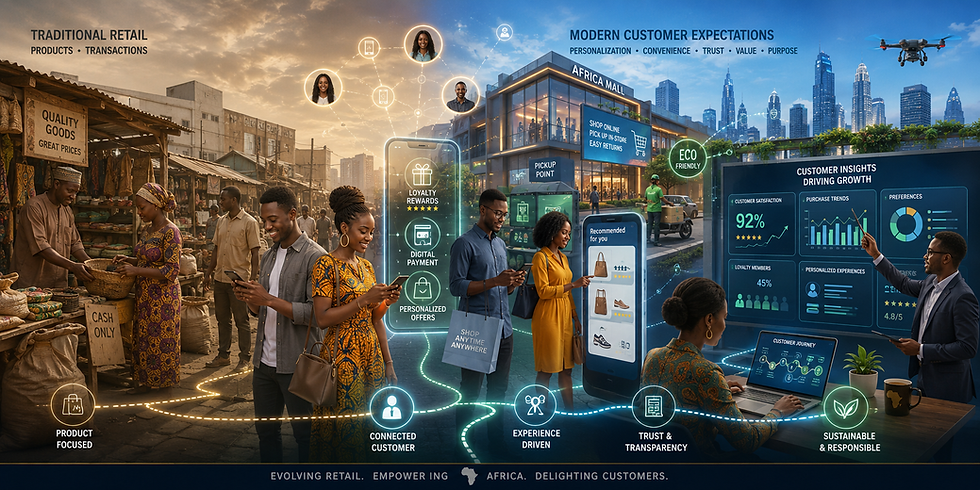
How African Retail Customers Have Changed
African consumers today are more informed, connected, and selective. Several factors contribute to this transformation:
Increased access to technology: Mobile phones and internet penetration have grown rapidly. Many shoppers now research products online before buying, compare prices, and read reviews.
Rising middle class: More people have disposable income and higher standards for quality and service.
Urbanization: City dwellers expect convenience, variety, and modern shopping environments.
Exposure to global brands: International products and retail models influence local expectations.
For example, in Nigeria, smartphone penetration reached over 50% in recent years, enabling millions to shop online or use mobile payment systems. This access has raised expectations for seamless digital experiences alongside traditional retail.
What Customers Now Expect from Retailers
Today’s African shoppers want more than just products on shelves. Their expectations include:
Convenience and Accessibility
Customers expect stores to be easy to reach, with flexible hours and multiple payment options. Mobile money services like M-Pesa in Kenya have become essential, allowing quick, secure transactions without cash.
Quality and Authenticity
With counterfeit goods a concern in many markets, shoppers demand genuine products and clear information about origin and quality. Retailers that provide transparency build trust.
Personalized Experiences
Consumers appreciate tailored recommendations and promotions. Retailers using data to understand preferences can create more relevant offers, improving satisfaction and loyalty.
Omnichannel Shopping
Many customers want to browse online and pick up in-store or have products delivered. Retailers integrating physical and digital channels meet this demand effectively.
Customer Service
Friendly, knowledgeable staff and responsive support are critical. Positive interactions encourage repeat visits and word-of-mouth referrals.
Examples of Retailers Meeting New Expectations
Several African retailers have adapted well to these changes:
Jumia: This e-commerce platform offers a wide product range, mobile payments, and fast delivery across multiple countries. It caters to the growing online shopper base.
Shoprite: With stores in many African countries, Shoprite combines modern retail formats with local product offerings and loyalty programs.
Takealot (South Africa): Known for its user-friendly website and reliable delivery, Takealot meets the demand for convenience and variety.
These companies invest in technology and customer insights to stay ahead.
Challenges Retailers Face
Despite opportunities, retailers encounter obstacles:
Infrastructure gaps: Poor roads and unreliable electricity affect supply chains and store operations.
Payment barriers: Not all customers have bank accounts or credit cards, requiring alternative payment methods.
Competition: Both local and international players compete fiercely for market share.
Changing regulations: Retailers must navigate evolving trade policies and taxes.
Addressing these challenges requires innovation and local knowledge.
What Retailers Can Do to Adapt
To meet evolving customer expectations, retailers should:
Invest in digital tools: Mobile apps, online stores, and data analytics help understand and serve customers better.
Offer flexible payment options: Mobile money, cash on delivery, and installment plans increase accessibility.
Focus on customer education: Clear product information and after-sales support build trust.
Enhance in-store experience: Clean, well-organized stores with helpful staff improve satisfaction.
Build local partnerships: Collaborating with local suppliers and communities strengthens relevance.
By listening to customers and adapting quickly, retailers can build lasting relationships.
The Future of Customer Expectations in African Retail
Looking ahead, customer expectations will continue to rise as technology spreads and incomes grow. Shoppers will demand faster delivery, more sustainable products, and greater personalization. Retailers that embrace innovation and put customers first will thrive.
African retail is at an exciting crossroads. Understanding and responding to changing customer expectations is key to success in this dynamic market.
#AfricanRetail #RetailStrategy #CustomerExperience #RetailInnovation #FutureOfRetail #RetailSuccess #CustomerExpectations #ConsumerBehavior #CustomerCentricity #CustomerInsights #CustomerEngagement #CustomerJourney #AfricaBusiness #AfricaRising #EmergingMarkets #AfricanEntrepreneurs #DoingBusinessInAfrica #RetailGrowth #DigitalTransformation #RetailTech #OmnichannelRetail #EcommerceAfrica #InnovationStrategy #SmartRetail #BusinessGrowth #GrowthStrategy #MarketLeadership #CompetitiveAdvantage #BusinessSuccess #FutureReady #CustomerLoyalty #BrandTrust #BrandExperience #ValueDriven #RelationshipMarketing #ConsumerTrends


Comments